English
 العربية
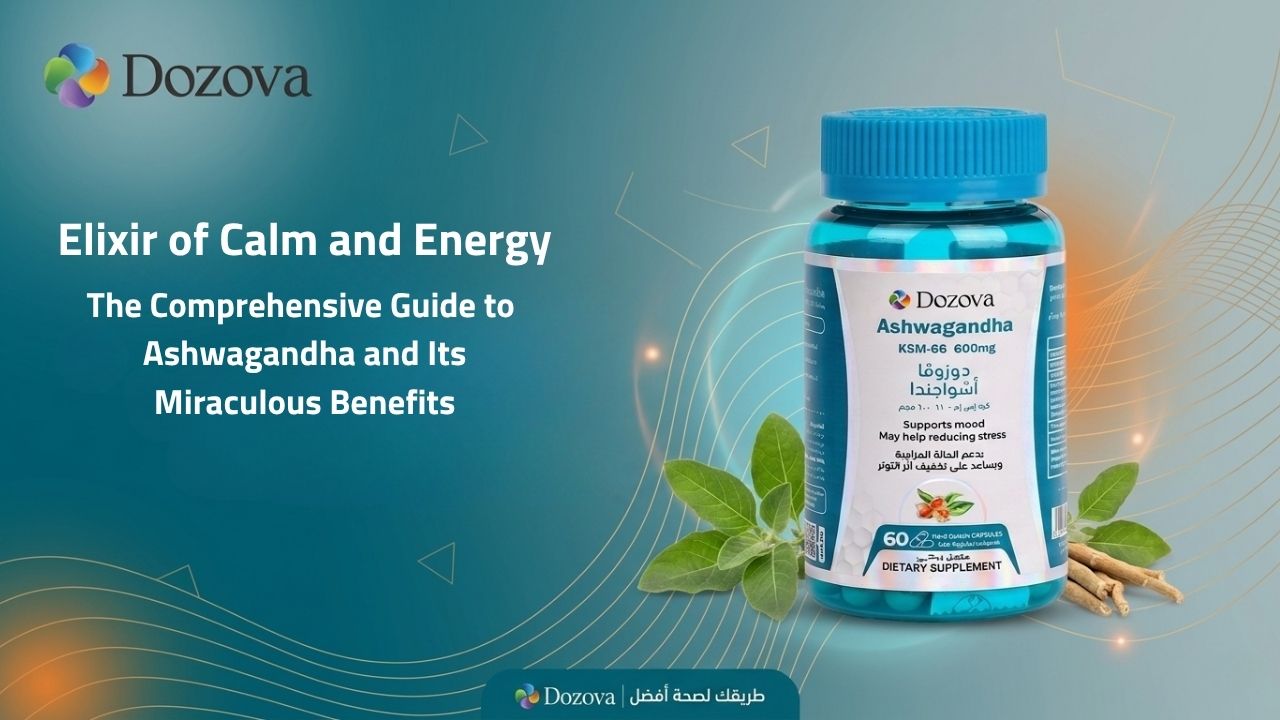
Elixir of Calm and Energy | The Comprehensive Guide to Ashwagandha and Its Miraculous Benefits
Ashwagandha, botanically known as Withania somnifera and often referred to as “Winter Cherry,” stands as a cornerstone of ancient traditional medicine. This botanical powerhouse is classified as an adaptogen—a category of natural substances that empower the body to resist physical and psychological stressors while naturally restoring hormonal equilibrium.
Usage Protocols and Clinical Dosages

To achieve therapeutic efficacy, it is essential to approach Ashwagandha as a standardized dietary supplement.
- Standardized Extracts: Always prioritize supplements containing a specific percentage of withanolides (typically 5%).
- Recommended Dosages:
○ Anxiety and Stress Management: 300–600 mg of concentrated extract daily.
○ Athletic Performance Enhancement: Dosages may scale up to 1000 mg daily.
- Cycling Strategy: Medical professionals recommend a “cycling” protocol—such as 8 weeks of consistent use followed by a 2-week break—to prevent the body from developing a tolerance.
- Timing of Administration:
○ Morning: To augment energy levels and cognitive focus throughout the day. ○ Evening: To facilitate relaxation and enhance sleep quality.
Gastrointestinal Health: The Gut-Brain Axis
Ashwagandha interacts effectively with the Gut-Brain Axis, offering significant benefits for digestive health:
- Irritable Bowel Syndrome (IBS): Since IBS is closely linked to neurotransmitter activity, Ashwagandha mitigates stress signals sent from the brain to the gut, thereby reducing spasms.
- Anti-inflammatory Effects: The herb’s bioactive compounds inhibit pro-inflammatory cytokines within the colonic wall, which may assist in managing mild colitis.
- Microbiome Balance: Research suggests Ashwagandha may act as a mild prebiotic, supporting the proliferation of beneficial gut bacteria.
Timeline of Efficacy: When Does It Kick In?
Unlike synthetic sedatives, Ashwagandha’s effects are cumulative, relying on the gradual saturation of the body’s receptors:
- Phase 1 (Days 1–7): A subtle decline in serum cortisol levels begins, potentially reducing the severity of nocturnal insomnia.
- Phase 2 (Weeks 2–4): Users typically notice a general sense of calm, decreased irritability, and improved cognitive function.
- Phase 3 (Weeks 8–12): The “peak phase,” where the full impact on muscle strength, hormonal balance, and high-endurance capacity is realized.
Medical Contraindications and Safety for Women
Despite its benefits, Ashwagandha involves complex biological interactions that require caution:
- Pregnancy and Lactation: Classified as an abortifacient at high doses, it can stimulate uterine contractions and increase the risk of miscarriage; therefore, it is strictly contraindicated during pregnancy.
- Hyperthyroidism: Ashwagandha increases the production of thyroxine (T4). For those with an overactive thyroid, this could trigger a dangerous thyroid storm. ● Autoimmune Diseases: In conditions such as Systemic Lupus Erythematosus
(SLE), the herb’s immune-boosting properties may cause the immune system to attack the body more aggressively.
- Drug Interactions: It may interact with benzodiazepines (sedatives), dangerously potentiating their hypnotic effects.
- Hypotension: It may cause a sharp drop in blood pressure for individuals already prone to low blood pressure.
Biochemistry: The Mechanism of Action in the Brain
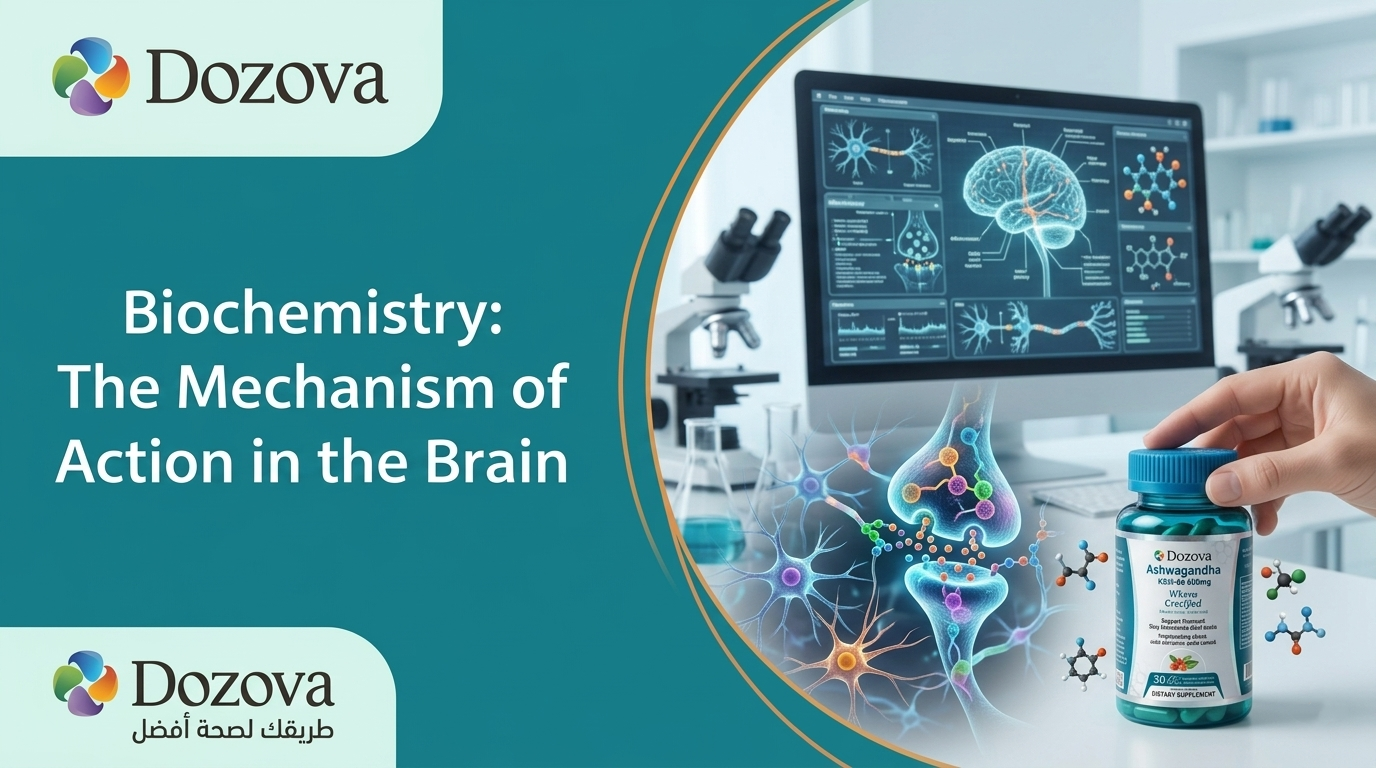
Ashwagandha is among the most rigorously studied herbs in contemporary biochemistry and neuroscience. Its neurological impact is driven by several key mechanisms:
- GABAergic Signaling
Ashwagandha exhibits potent anxiolytic-like effects.
- Mechanism: Bioactive compounds in the roots mimic the action of gamma-aminobutyric acid (GABA), the primary inhibitory neurotransmitter in the Central Nervous System.
- Effect: By binding to GABA-A receptors, it reduces neuronal excitability, treating insomnia and anxiety without addictive side effects.
- HPA Axis and Cortisol Regulation
The brain (specifically the hypothalamus and pituitary gland) serves as the command center for the stress response.
- Mechanism: It acts as a bioregulator of the Hypothalamic-Pituitary-Adrenal (HPA) Axis.
- Effect: It inhibits excessive signaling to the adrenal glands, lowering serum cortisol. This protects the hippocampus—the memory center—from stress-induced neurotoxicity and cellular atrophy.
- Neuroprotection and Antioxidant Support
- Mechanism: It stimulates the production of endogenous antioxidant enzymes, such as Superoxide Dismutase (SOD) and Glutathione Peroxidase.
- Effect: By neutralizing free radicals, it mitigates oxidative stress, potentially preventing neurodegenerative diseases like Alzheimer’s and Parkinson’s.
- Cholinergic System Enhancement
- Mechanism: It acts as a mild inhibitor of the enzyme acetylcholinesterase (AChE). ● Effect: This increases levels of acetylcholine in the synaptic cleft, enhancing learning, short-term memory, and overall cognitive function.
Biological Summary Table
| Biological
Process |
Affected
Neurotransmitter/Hormone |
Clinical Result |
| GABA
Modulation |
Increased GABA-A receptor efficacy | Deep calm and anxiety reduction |
HPA Axis Regulation
Reduced Serum Cortisol Resistance to physical/mental stress
| AChE Inhibition | Increased Acetylcholine | Enhanced memory and cognition |
| Antioxidant
Activity |
Increased Glutathione | Protection against premature brain aging |