Your Guide to Safe Usage | Avoiding Coenzyme Q10 Side Effects and Drug Interactions
Cellular energy supplements and antioxidants are fundamental in modern healthcare protocols, with Coenzyme Q10 standing out as a premier compound. This enzyme is renowned for its vital role in ATP production within the mitochondria, as well as its superior ability to combat oxidative stress.
However, to ensure optimal therapeutic benefit according to clinical practice guidelines, a complete understanding of the product’s safety profile is required. This evidence-based article details Dozova Coenzyme Q10 side effects and drug interactions, serving as a reliable reference for both patients and healthcare providers.
Mechanism of Action: The Bioavailability of CoQ10
Before diving into drug interactions, it is essential to understand the nature of the active ingredient. Coenzyme Q10 exists in the body in two main forms: Ubiquinone (the oxidized form) and Ubiquinol (the active, reduced form which boasts higher bioavailability).
“Dozova” offers a pure, highly absorbable formula. As a lipid-soluble compound, the method of administration and concomitant medications play a crucial role in its biotransformation within the liver via Cytochrome P450 enzymes.
CoQ10 Side Effects | What Clinical Studies Show
Generally, Coenzyme Q10 is well-tolerated by the vast majority of users, even at high doses reaching up to 1000 mg daily. However, mild adverse effects may appear in a small percentage of individuals, including:
1. Gastrointestinal Disturbances
Gastrointestinal symptoms are the most common and typically appear when initiating use or taking high doses on an empty stomach. These include:
- Nausea: A mild feeling of stomach discomfort.
- Diarrhea or Upset Stomach: These symptoms can be mitigated by taking the dose with meals rich in healthy fats, such as olive oil, avocados, or nuts.
- Heartburn: Occurs rarely in individuals with sensitive stomachs.
2. Mild Neurological Effects
Due to its role in enhancing cellular energy production, some users may notice unintended stimulatory effects:
- Insomnia: Often occurs if the supplement is taken late in the evening. It is highly recommended to take the dose in the morning or during the early afternoon at the latest.
- Mild Dizziness or Headache: Reported in very rare cases and typically resolves with continued use as the body builds tolerance.
3. Allergic Skin Reactions
- In very rare cases, some individuals may experience a mild skin rash. Medical Warning: This requires the immediate discontinuation of the supplement and prompt medical consultation.
After reading the warnings, review the proper usage and appropriate dosage
Drug Interactions: Crucial Medical Warnings
The most critical aspect of safe usage is understanding Dozova CoQ10 side effects and its drug interactions. The compound possesses physiological properties that may induce a synergistic effect or antagonistic effect with certain medications:
Blood Thinners and Anticoagulants
CoQ10 shares a chemical structure very similar to Vitamin K. Consequently, it may interact with anticoagulants, specifically Warfarin.
- Medical Impact: The coenzyme may reduce the efficacy of Warfarin, increasing the risk of blood clots. Medical Warning: Patients taking blood thinners must strictly and continuously monitor their INR (International Normalized Ratio) under medical supervision if a doctor approves adding Dozova to their therapeutic regimen.
Antihypertensive Drugs
CoQ10 possesses natural properties that may help support lower systolic and diastolic blood pressure by promoting endothelial function.
- Medical Impact: Concurrent use with blood pressure medications (such as Beta-blockers or ACE inhibitors) may lead to a synergistic effect, potentially causing severe hypotension. Medical Warning: The attending physician may need to adjust the dosages of blood pressure medications.
Chemotherapeutic Agents
As CoQ10 is a potent antioxidant, there is scientific debate regarding its concurrent use with certain cancer therapies.
- Medical Impact: Some chemotherapy agents (like Alkylating agents) rely on inducing oxidative stress to destroy cancer cells. Taking potent antioxidants may theoretically reduce the cytotoxicity of these drugs. Medical Warning: Its use during chemotherapy protocols is strictly prohibited unless explicitly directed by an oncologist.
Positive Interaction with Statins
Cholesterol-lowering drugs (Statins) inhibit the HMG-CoA reductase enzyme, which is the exact biological pathway the body uses to produce Coenzyme Q10.
- Medical Impact: Statins lead to a severe depletion of CoQ10 levels in the muscles, resulting in Statin-induced myopathy. In this scenario, utilizing Dozova is a positive, highly recommended pharmacological intervention to compensate for the deficiency and mitigate the adverse side effects of statins.
Contraindications & Medical Precautions For Dozova Coenzyme Q10
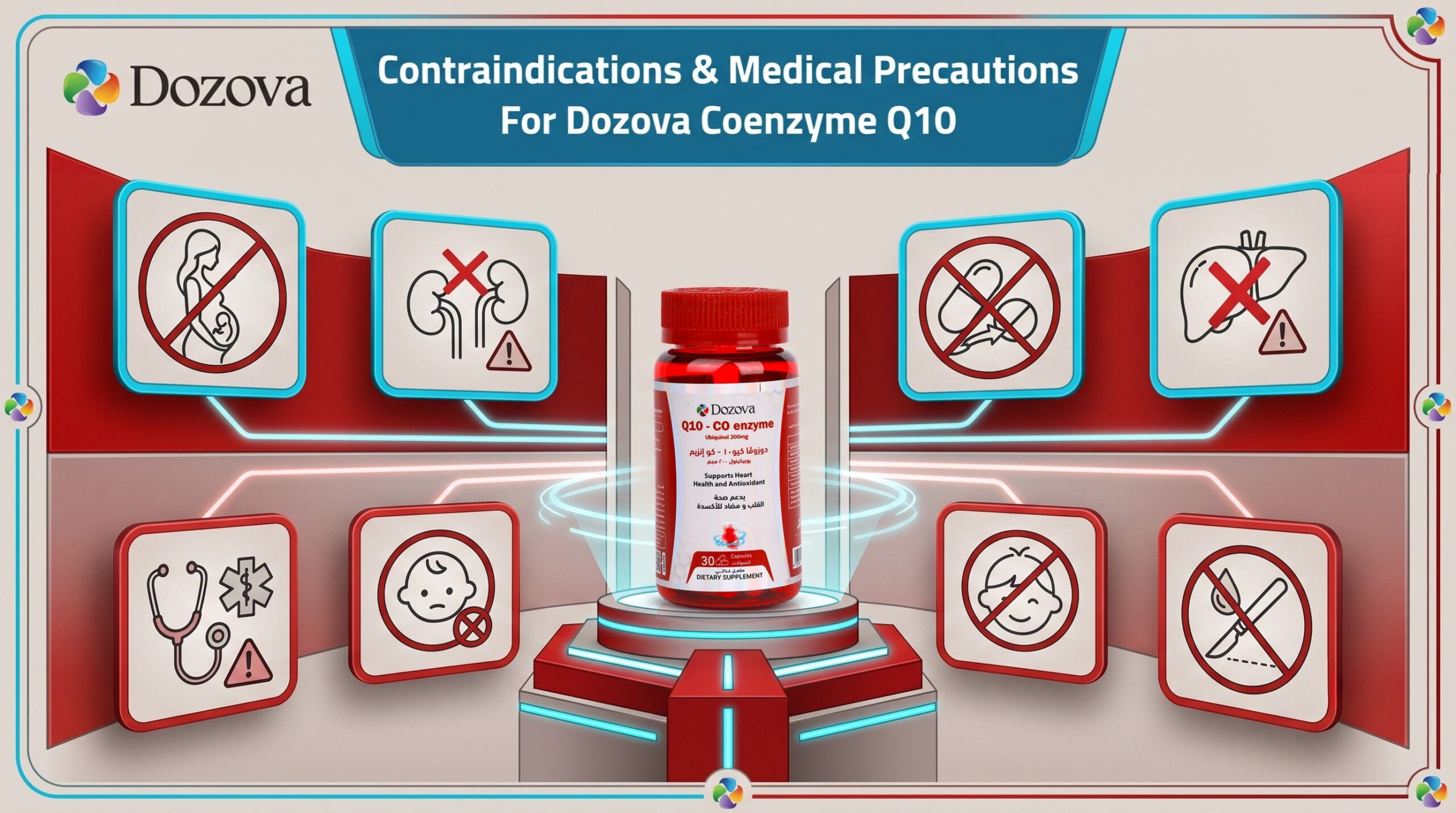
To ensure the highest standards of pharmacovigilance, caution must be exercised in the following situations:
- Preoperative Period: Medical Warning: You must discontinue the supplement at least two weeks prior to any scheduled surgery to avoid potentially dangerous interactions with blood pressure and blood clotting mechanisms.
- Pregnancy and Lactation: Due to insufficient clinical studies regarding the safety of high doses during embryogenesis, it is advised to avoid its use or utilize it solely under strict medical supervision.
Liver and Kidney Health with Coenzyme Q10
The “Dozova Coenzyme Q10” supplement is entirely safe and does not burden or damage liver or kidney function. On the contrary, clinical evidence proves that its antioxidant properties offer a protective effect that helps support the management of oxidative stress associated with fatty liver disease and promotes kidney health. However, as a general precaution, Medical Warning: its use in patients with advanced liver or kidney impairment requires consulting the attending physician to adjust dosages appropriately.
Ready to put these tips into action? You can order Dozova Coenzyme Q10 Ubiquinol.